Notes
Visual references for photography,
light, lenses, motion and color.
Exposure
Light / time / signal01 / Light / depth
Aperture
An opening, a plane of focus. Hold the subject distance still.
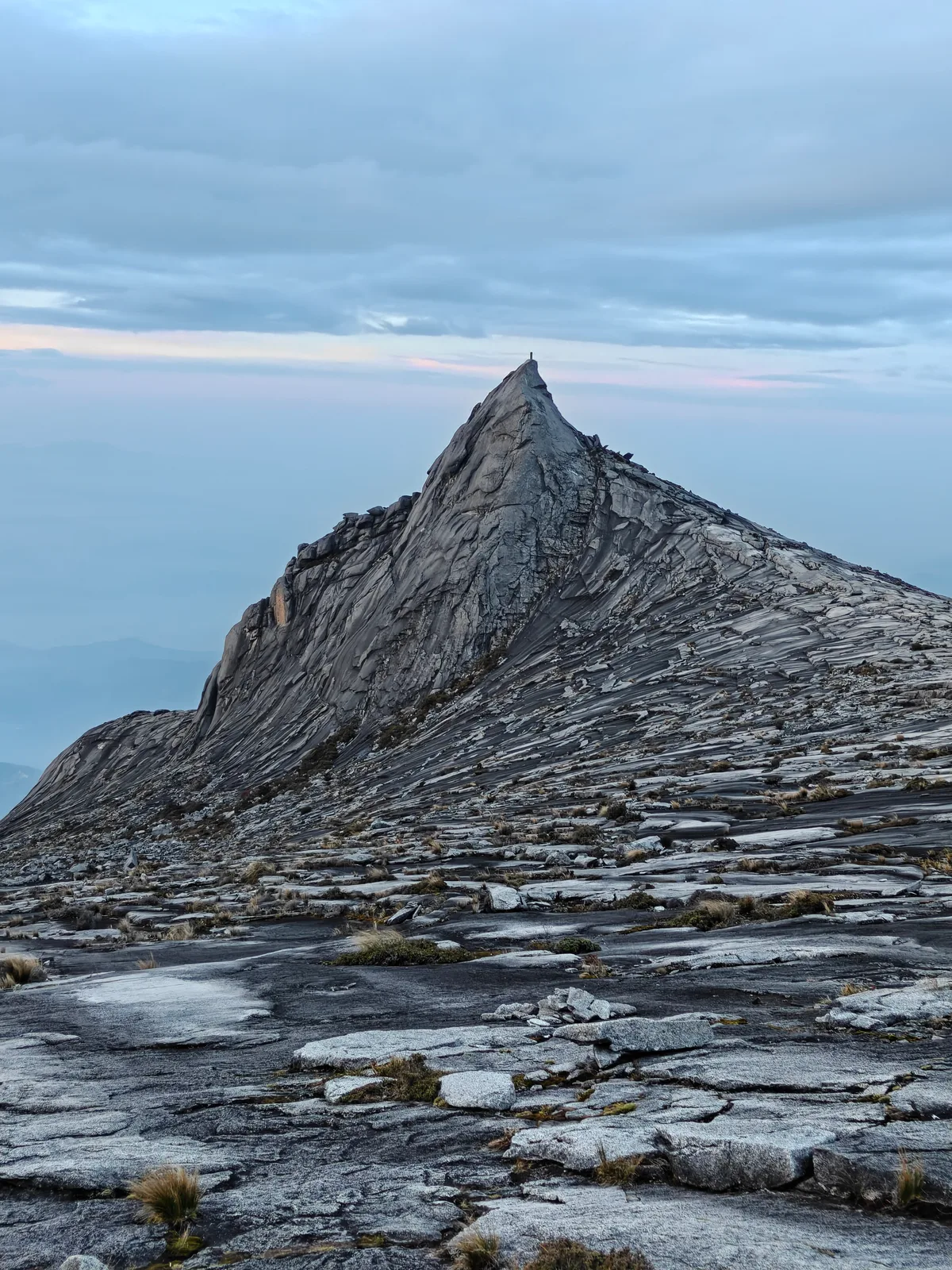 Near subject / distant background
f/1.4 · Shallow focus · More light
Depth illustration; brightness held constant. Actual depth also depends on distance and focal length.
02 / Time / movement
Shutter speed
The same movement. A different slice of time.
1/60 s · Visible movement
Slow: longer trail. Fast: a frozen instant. Subject speed held constant.
03 / Signal / texture
ISO & noise
A closer look at signal, texture and available light.
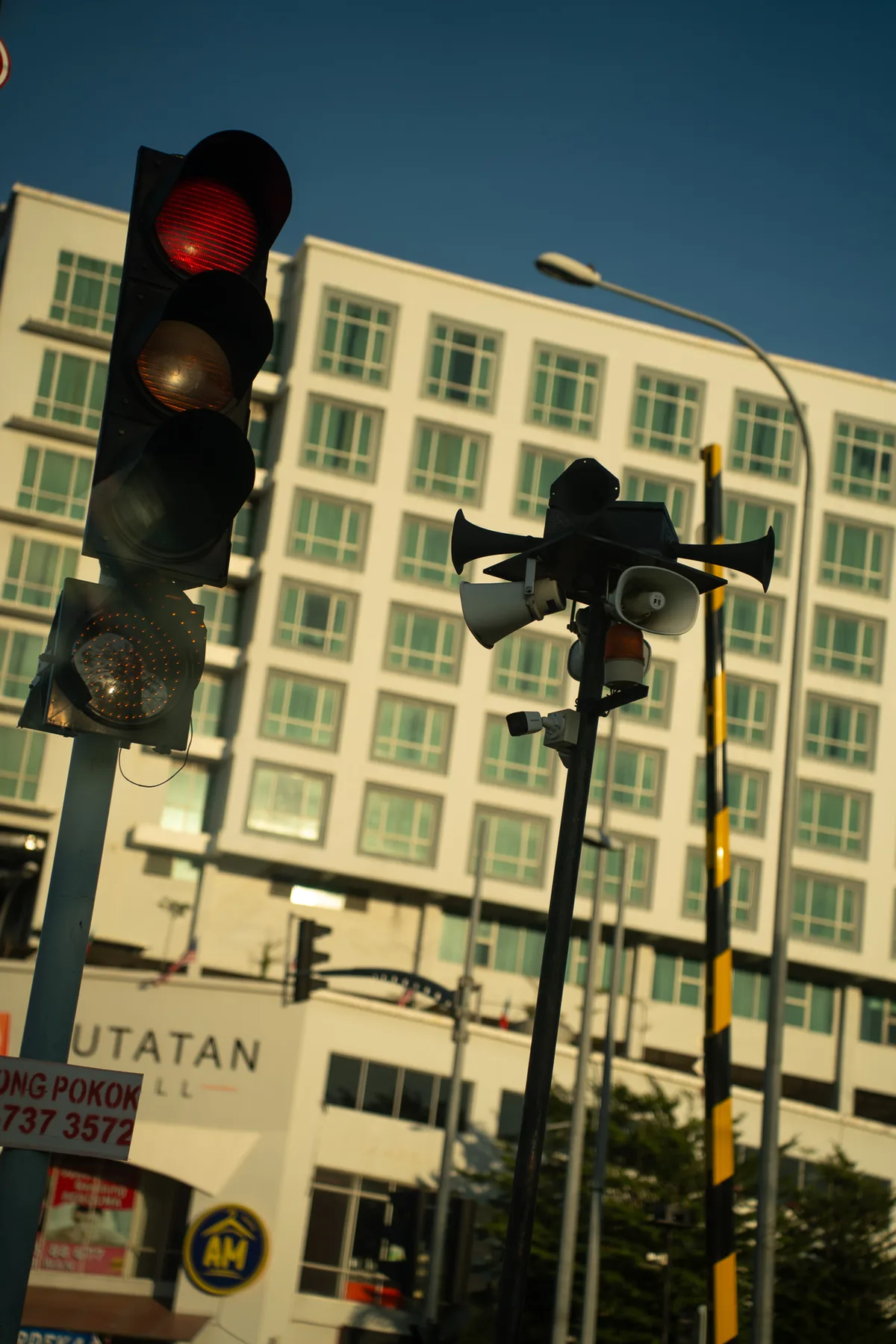 Detail crop / illustrative sensor noise
ISO 100 · Clean reference
A visual reference. Noise character and amount vary by camera, exposure and processing.
04 / Shadows / light
Histogram & exposure
Follow the light from shadow to highlight.
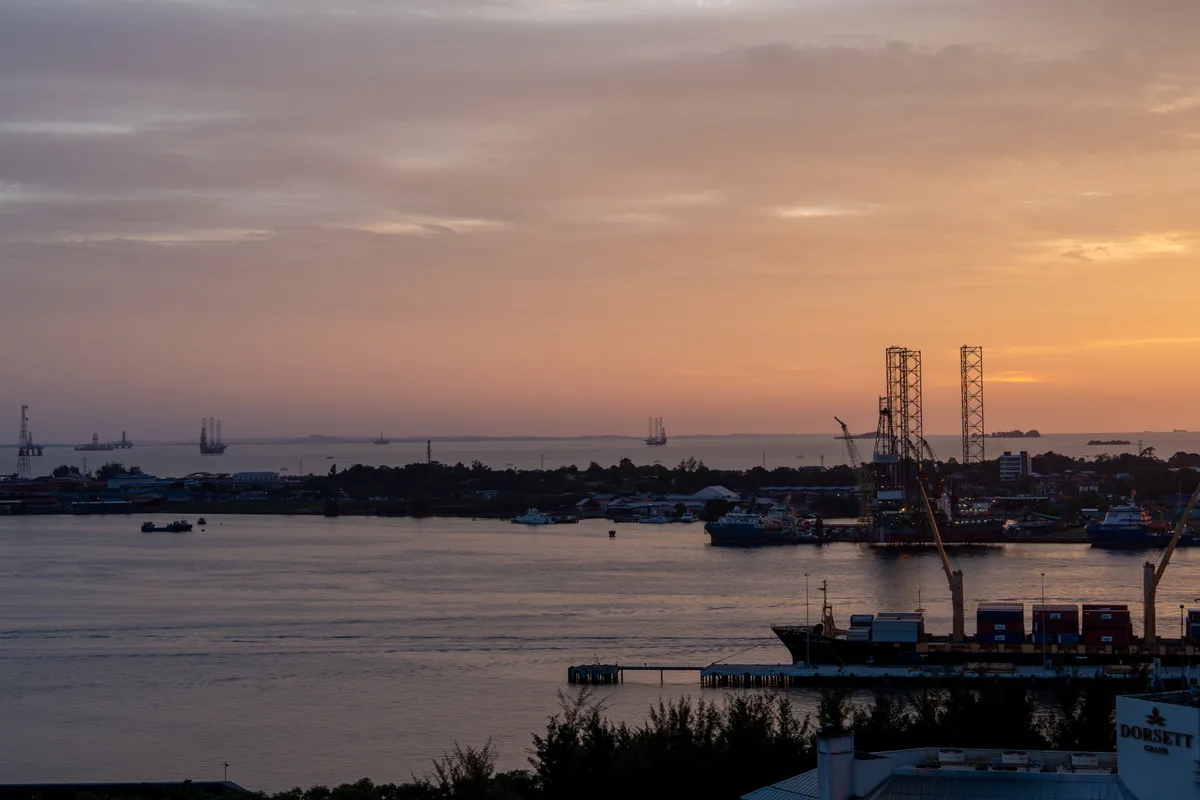 Rendered image / exposure approximation
0 EV · Reference exposure
Histogram sampled from this photograph. Clipping refers to the rendered preview, not recoverable RAW data.
05 / Shadows / highlights
Dynamic range
Balance detail held in deep shadow and bright light.
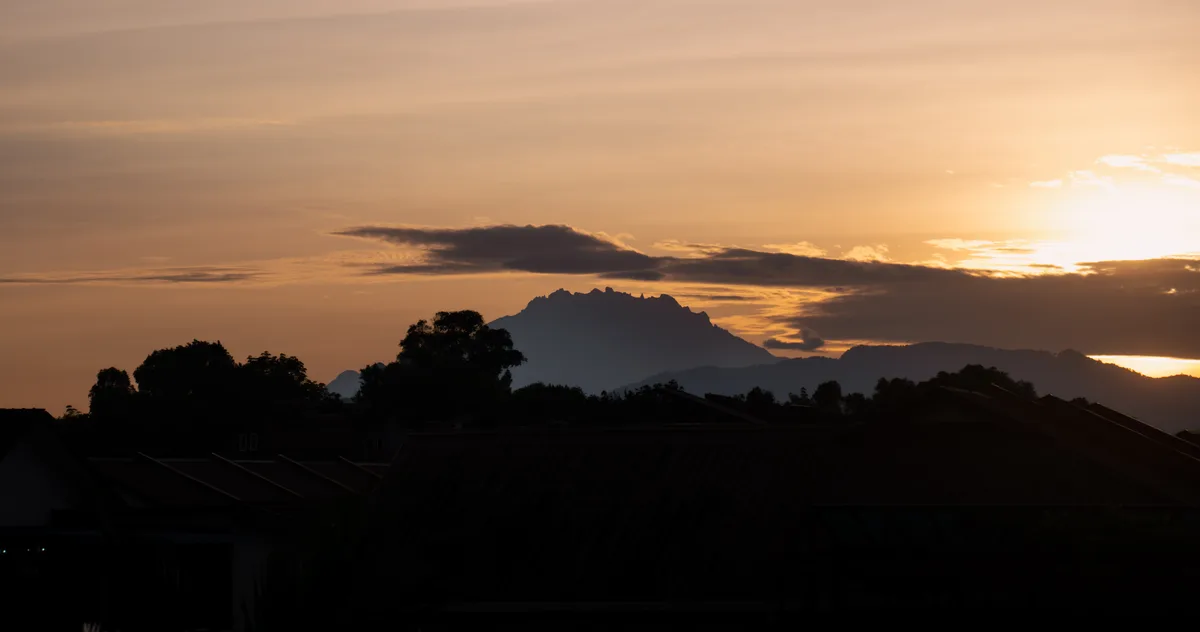 Shadow / midtone / highlight reference
0 EV · Balanced reference
Recovery is restrained and illustrative. Available RAW latitude depends on the capture and camera.
Lens & focus
View / distance / response06 / Distance / frame
Focal length
One position. Four ways to frame it.
Fixed viewpoint / full-frame illustration24mm · Wide view · 74° horizontal
Illustrative crop, not recorded lens metadata. Perspective stays the same here; compression changes when camera position changes.
07 / Distance / focus
Depth of field
Aperture, focal length and distance shape the focus zone together.
Moderate focus · Balanced zone · f/2.8 · 50mm · Medium subject
Conceptual range, not a depth-of-field calculator. Sensor size and viewing conditions also matter.
08 / Mode / area
Focus
Choose how focus responds, then decide where it may look.
AF-C · Follow · Zone area
09 / Sensor / field of view
Full frame & APS-C
The same lens. A smaller sensor records a narrower frame.
Same photograph / central crop referenceFull frame · 35mm field of view
APS-C uses a smaller central sensor area. The lens remains 35mm; the field of view resembles about 52.5mm on full frame.
Light & color
Temperature / direction10 / Temperature / tint
Color & white balance
A small shift can change the feeling of a frame.
White balance / simulated adjustment5200K · Reference balance · Tint 0
Same light: lower camera Kelvin cools the rendering; higher Kelvin warms it.
Opposite hues / quiet contrast
11 / Direction / form
Light direction
Move one light and watch shape, shadow and separation change.
45° · Shape and separation
Frame
Ways of seeing12 / Ways of seeing
Composition
Ways to look, rather than rules to follow.
Framing references / illustrative overlaysRule of Thirds · Explore the intersections